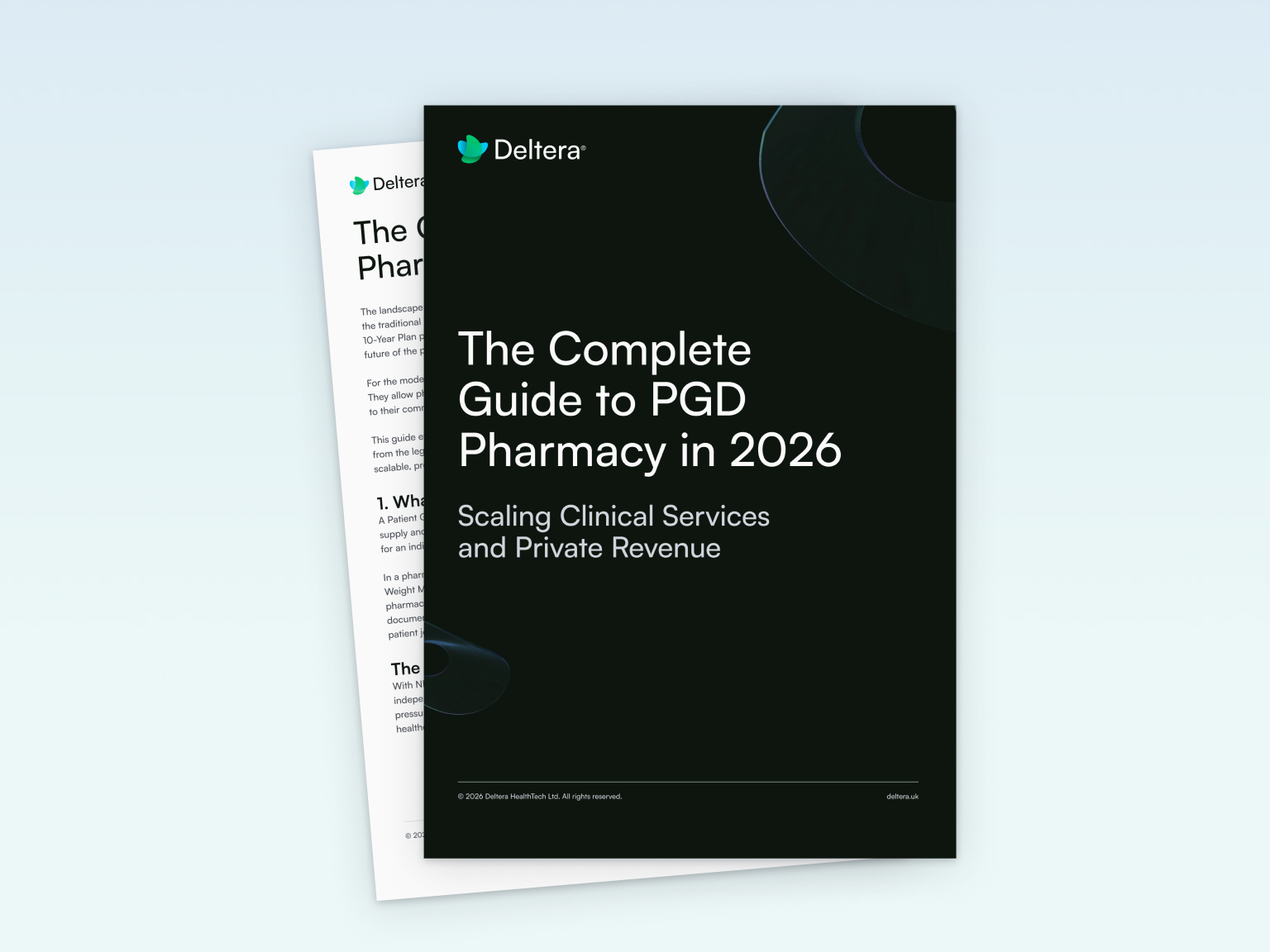

The landscape of community pharmacy has reached a definitive turning point. As we move through 2026, the traditional model of relying solely on NHS dispensing margins is no longer sustainable. With the NHS 10-Year Plan placing pharmacy at the heart of primary care, the message is clear: clinical services are the future of the profession.
For the modern pharmacy owner, Patient Group Directions (PGDs) are the engine room of this transition. They allow pharmacists to step beyond the dispensary and provide high-value, life-changing care directly to their communities.
This guide explores everything you need to know about running a successful PGD pharmacy in 2026—from the legal frameworks and clinical governance to the digital workflows that turn a "service" into a scalable, profitable business.
1. What is a PGD in Pharmacy? (The 2026 Definition)
A Patient Group Direction (PGD) is a written instruction that allows specified healthcare professionals to supply and/or administer a medicine to a pre-defined group of patients without them needing to see a GP for an individual prescription.
In a pharmacy setting, PGDs are the legal framework that enables you to launch services like Travel Health, Weight Management, and Acute Care. While they have been around for years, the "2026 version" of a PGD pharmacy is vastly different from the paper-heavy clinics of the past. Today, a PGD is no longer just a legal document—it is a digital workflow that integrates booking, screening, and clinical recording into a single patient journey. View our full library of 42 digital PGDs.
The Shift from NHS to Private Revenue
With NHS prescription profits tighter than ever, private PGD services have become the primary way for independent pharmacies and small groups to protect their bottom line. By offering services that take the pressure off overstretched GP surgeries, pharmacies are fulfilling a dual role: supporting the wider healthcare system while building a resilient, service-led business.
2. The Death of Paper and the Failure of Legacy Systems
For years, the "PGD pharmacy" was synonymous with thick lever-arch folders and photocopied checklists. Even the first wave of digital PGD systems often felt like "paper on a screen"—clunky, slow, and disconnected from the rest of the pharmacy’s operations.
The Risks of Legacy Workflows:
- Clinical Risk: Paper-based systems are prone to human error. It is too easy to miss a checkbox or overlook a contraindication when you are working at speed in a busy dispensary.
- Business Inefficiency: Manual GP notifications and re-keying data into multiple systems eat into your clinical time. If a consultation takes 30 minutes but requires 20 minutes of admin, the service is not profitable.
- Data Silos: Many legacy digital systems "own" your data. They make it difficult to pull reports, track patient trends, or move your records if you decide to switch providers. In 2026, your data is your most valuable asset. You should own it entirely.
The Deltera Difference: A Modern Operating System
A modern PGD pharmacy requires a platform built for speed and reliability. Having delivered hundreds of thousands of consultations without a "blip," the Deltera platform is designed to be the invisible backbone of your clinic. It’s not just a digital PGD; it’s a clinical operating system that puts your brand and your data at the forefront. See the modern clinical workflow in action.
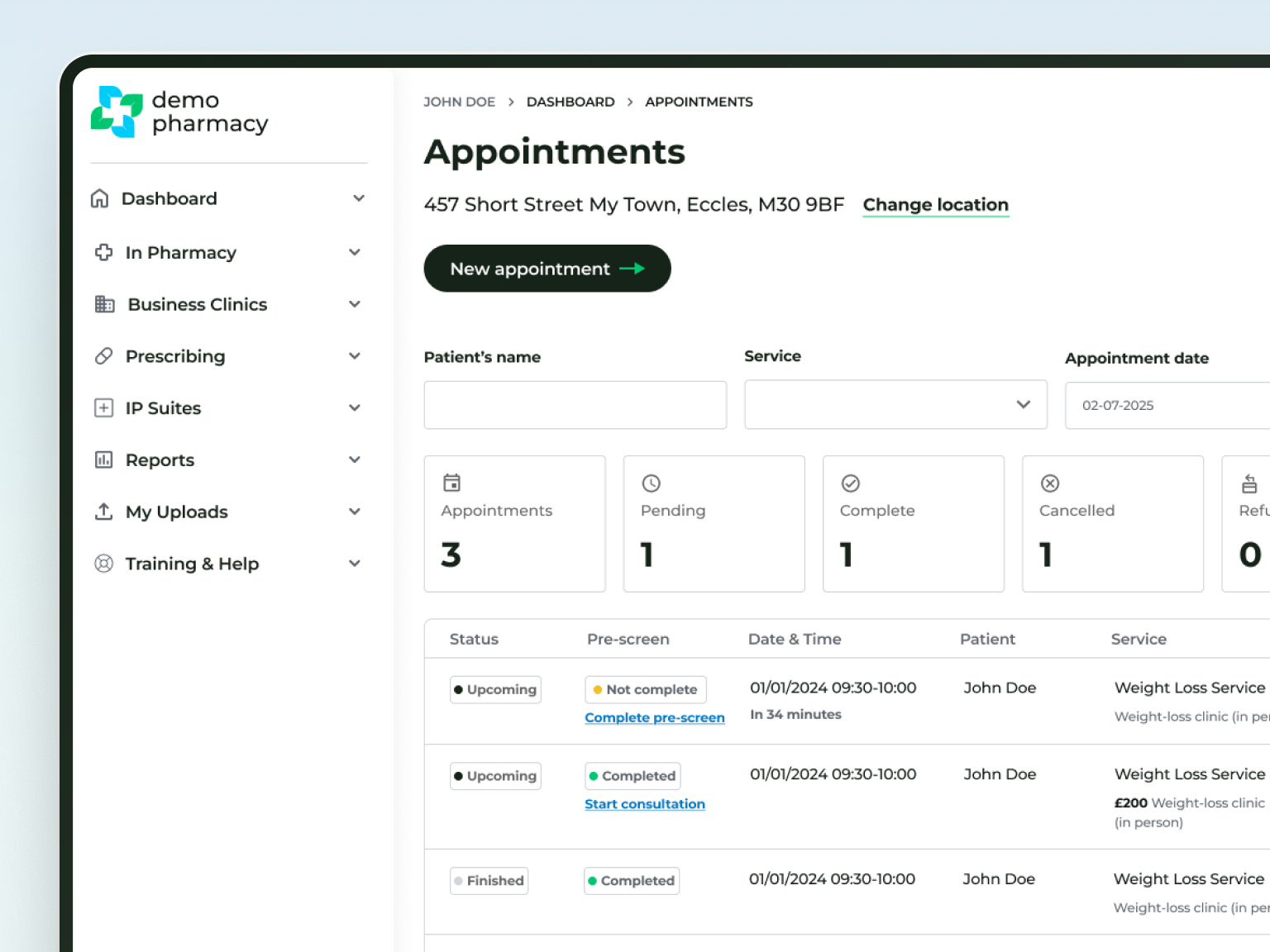
3. The Modern PGD Workflow: A Patient-Centric Journey
To rank as a top PGD pharmacy, the patient experience must be seamless. Patients in 2026 expect the same digital convenience from their pharmacy as they do from their banking or travel apps.
Phase 1: 24/7 Digital Booking
Your "digital front door" should never close. By integrating Deltera booking links directly into your website, patients can discover your services and book an appointment at 11 PM on a Sunday.
Phase 2: Intelligent Pre-Screening
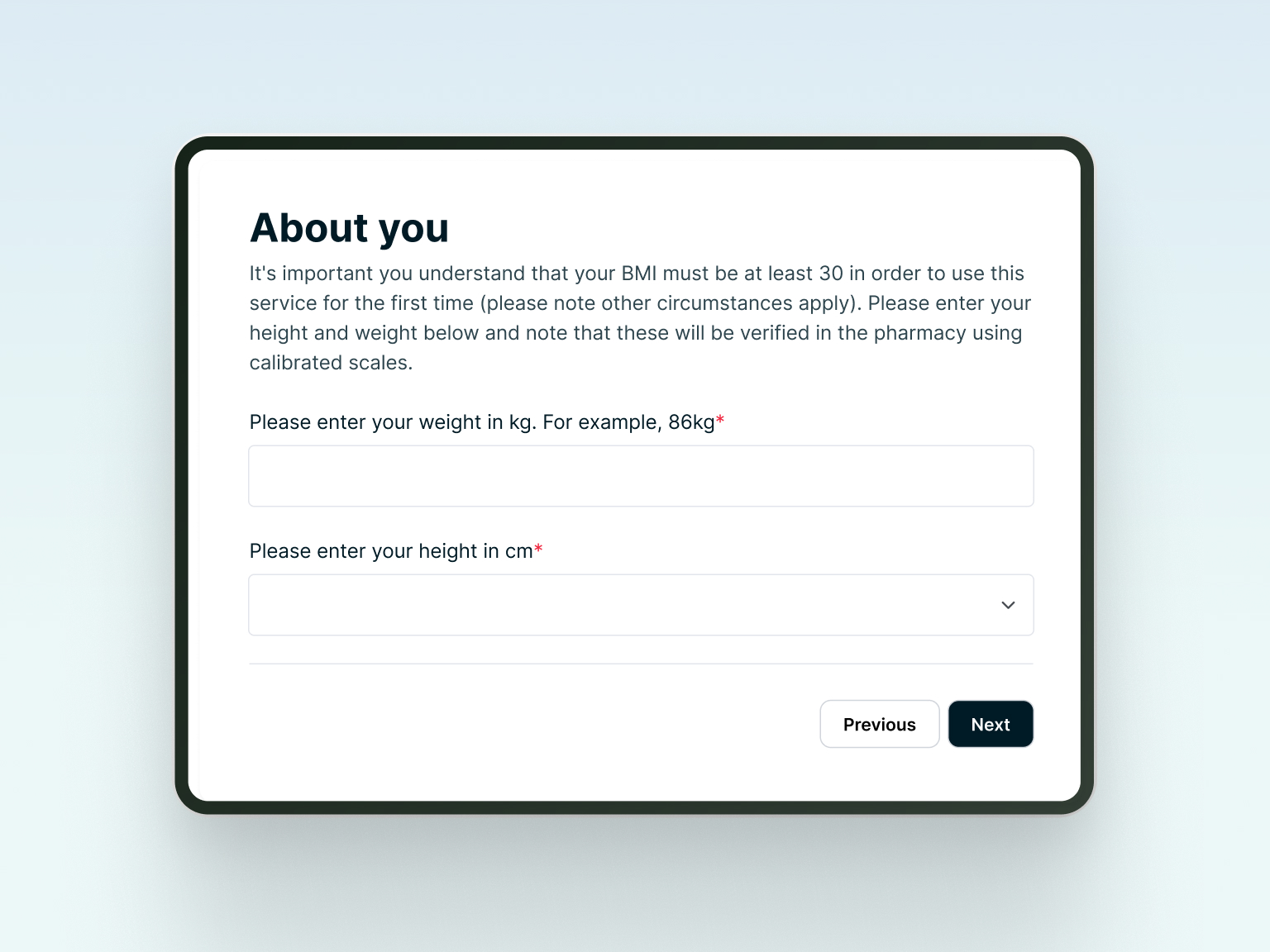
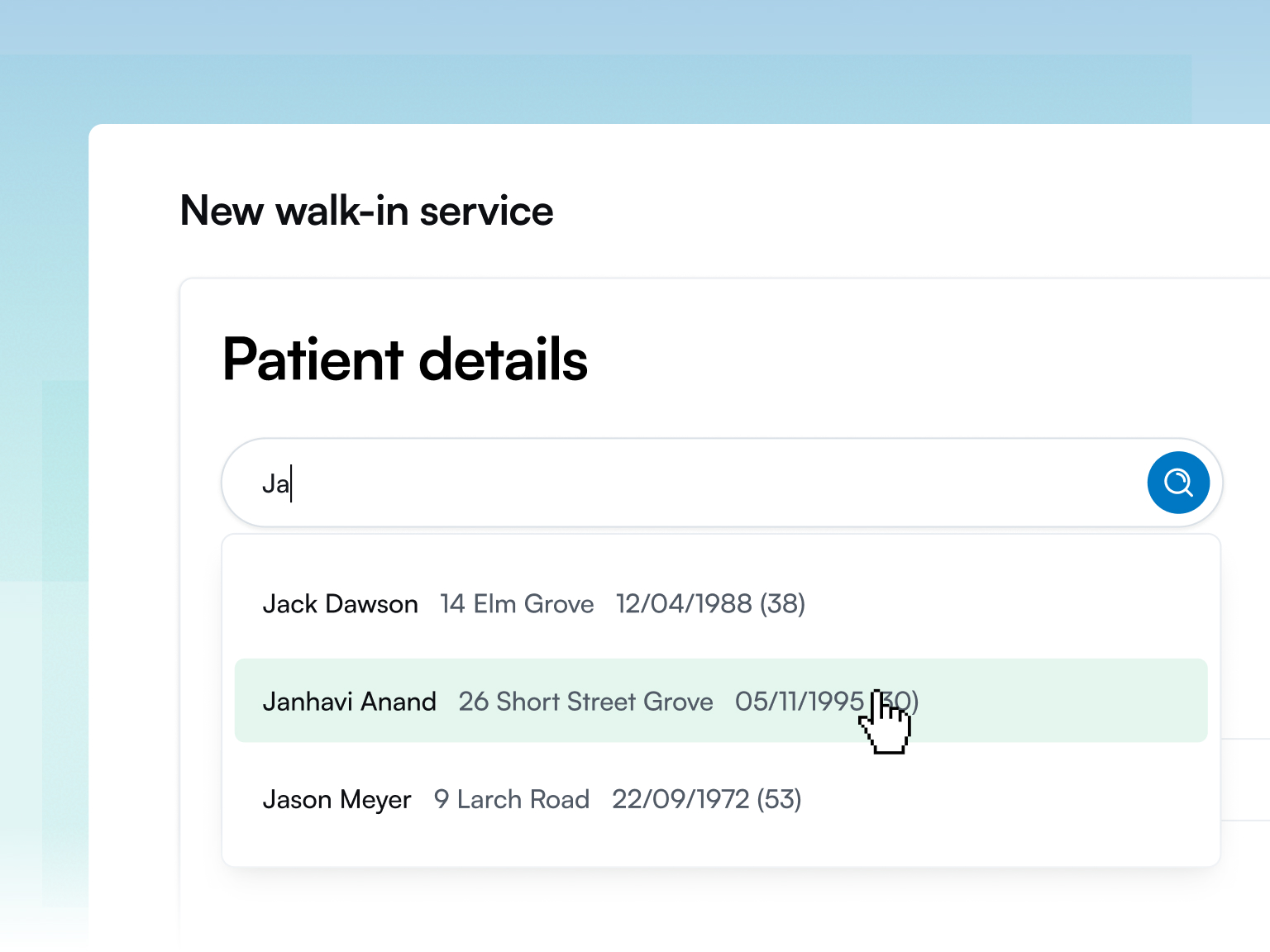
This is the "secret sauce" of a high-efficiency clinic. Before the patient even sets foot in your pharmacy, they complete a digital pre-screening form clinically married to the PGD used to provide the treatment or vaccination to them.
- For the Patient: They can take their time to list medications and medical history accurately at home.
- For the Pharmacist: You can review clinically-relevant data and the wider clinical picture of the patient long before the appointment starts. Combining this with the patient’s history, you’re working from a rich set of information long before the patient sets foot in your pharmacy. If a patient is clearly ineligible, you can save everyone time by identifying this early. If something is specific or important to the patient, you have plenty time in advance to research and tailor your consultation to the specific needs and presentation of the patient.
Phase 3: The Consultation
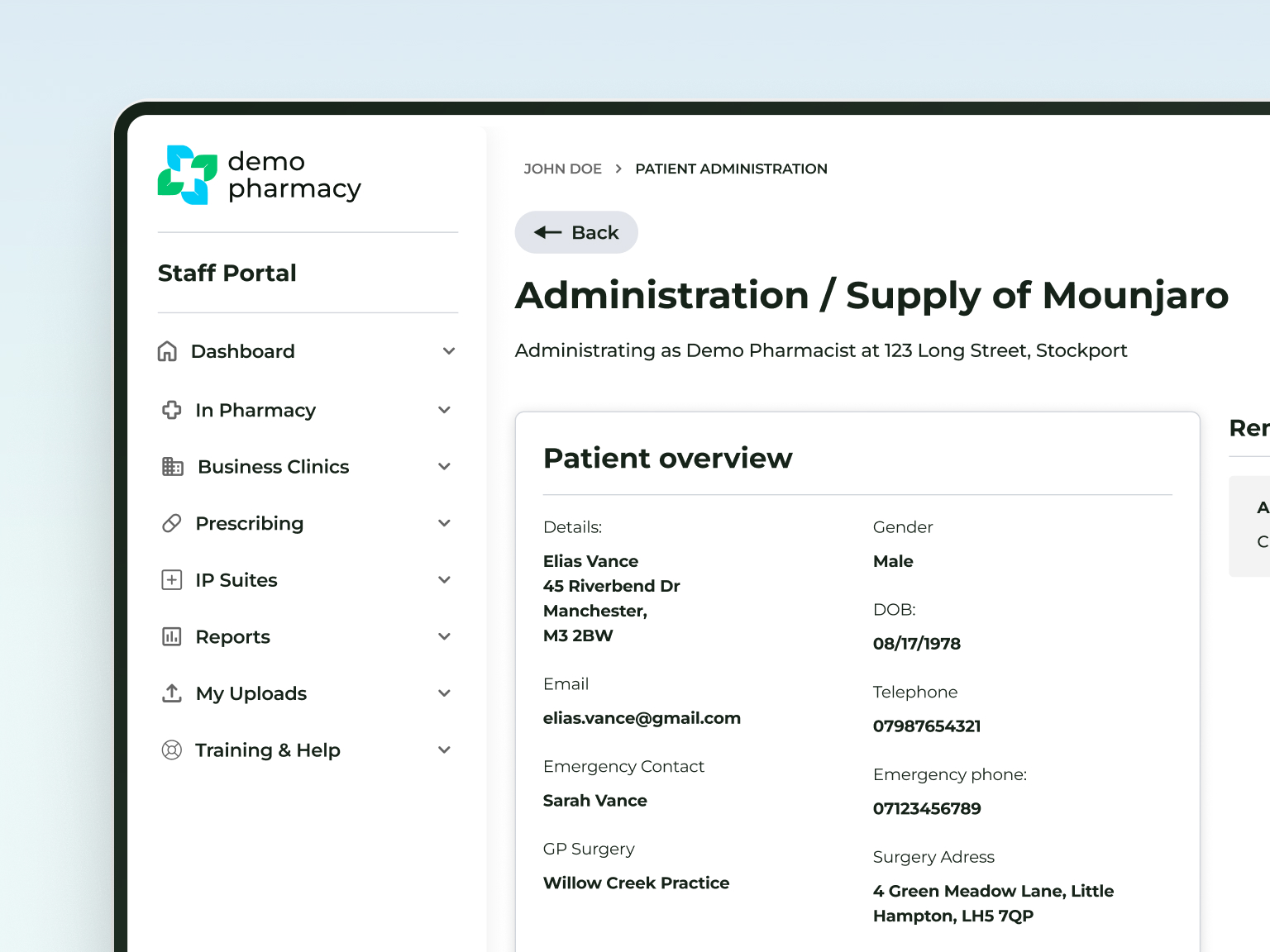
When the patient arrives, the consultation is a professional, clinical conversation—not a data-entry exercise. The platform guides you through the risk assessment, ensuring every GPhC requirement is met while you focus on the patient in front of you. Your patients leave having experienced efficient, holistic and truly patient-centric care that will naturally gravitate them back to your pharmacy for their future health needs.
Phase 4: Automated GP Notifications
The "admin tail" of a PGD service is often what kills its profitability. A modern system should automatically generate and send the GP notification once the consultation is complete, ensuring the patient's permanent record is updated with zero manual effort from your team.
4. Clinical Governance and Safety at Scale
Whether you are a single independent or managing a 50-branch group, governance is the non-negotiable foundation of a PGD pharmacy.
Automatic PGD Updates
Clinical guidelines change constantly. In a legacy system, keeping your PGDs up to date is a manual nightmare. In 2026, your platform should handle this automatically. When a PGD is updated, the system flags it, and services cannot be delivered until the pharmacist has reviewed and digitally signed the latest version. This "hard stop" ensures you are never practicing on an expired or outdated protocol.
Competency Mapping
Not every pharmacist or technician is trained in every service. A robust digital platform allows Head Office or the Superintendent to map specific staff members to specific PGDs based on their verified competencies. This ensures that a locum or a new member of staff can only access the services they are authorised to deliver, providing a massive layer of safety for the business owner.
Real-Time Auditing
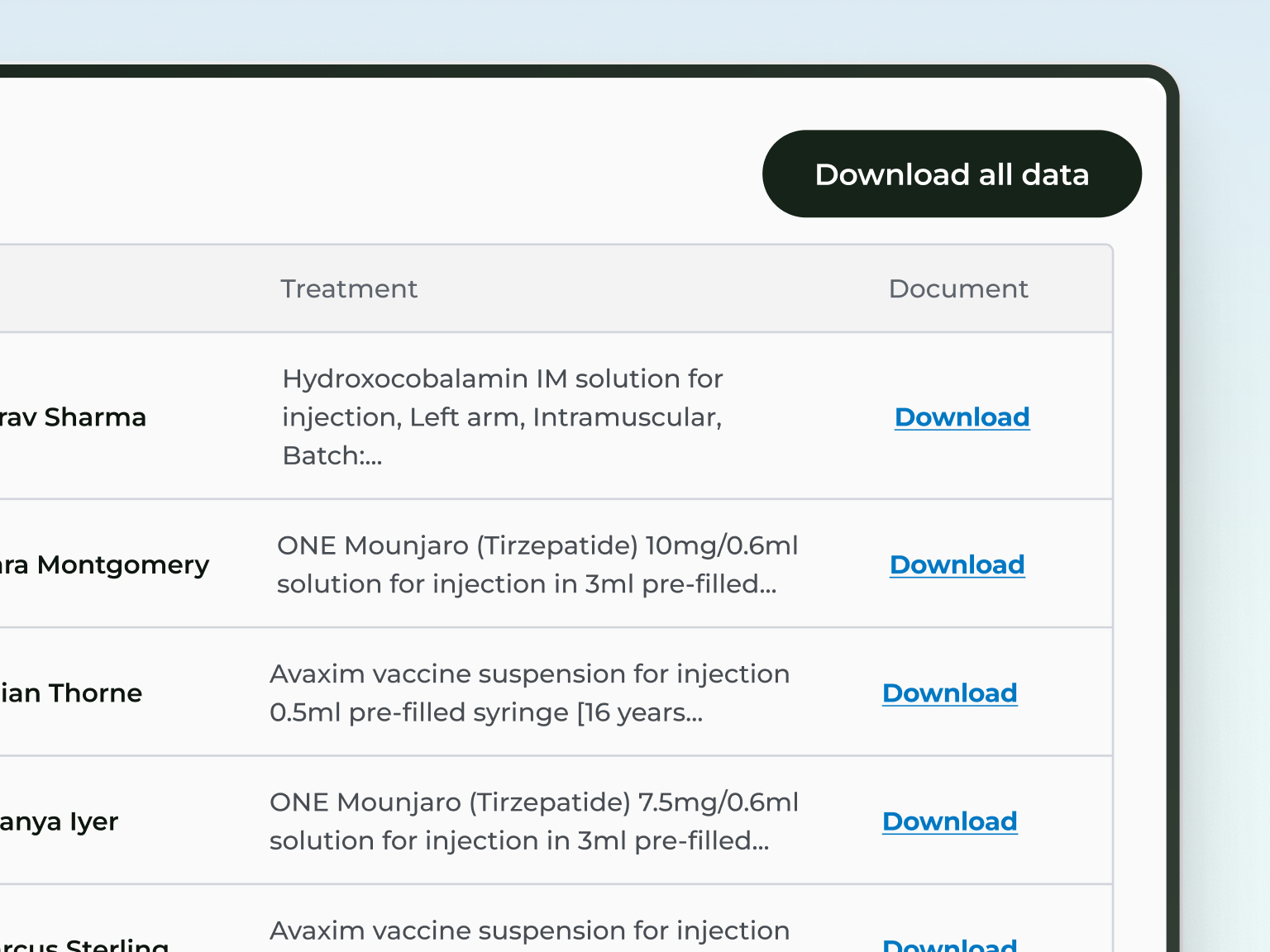
Gone are the days of driving from branch to branch to check folders. Digital oversight means a Superintendent can see—in real-time—exactly who has signed which PGD, how many consultations have been performed, and review any individual clinical record within the pharmacy estate at the click of a button.
5. High-Revenue Services: What’s Driving Growth in 2026?
If you are looking to launch or expand your PGD pharmacy, focusing on high-demand, high-margin services is key.
1. Weight Management
Our Weight Management PGD remains the most popular clinical service in the UK. With the ongoing evolution of GLP-1 medications and a massive public shift toward metabolic health, weight management is a "long-term" service. Patients return monthly, building a consistent revenue stream and a deep clinical relationship with your pharmacy.
2. Travel Health
With global travel at record highs, the demand for a comprehensive Travel Health PGD has never been higher. By offering a digital "one-stop-shop" for vaccines and antimalarials, you can bundle multiple treatments into a single consultation, making the process faster for the traveller and more profitable for the pharmacy.
Capturing the patient’s travel itinerary as standard during the pre-screen pulls through the vaccine recommendations from NaTHNaC, so pharmacy teams know which stock they may need ahead of appointments and pharmacists can ensure the patient is fully covered during one smooth and efficient consultation.
3. Women’s and Men’s Health
From HRT clinics to hair loss PGD and erectile dysfunction PGD services, patients are increasingly looking for discreet, professional advice in a community setting. These services are perfectly suited to the PGD framework, allowing for quick assessments and immediate treatment.
4. Seasonal and Acute Care
Flu PGD and COVID-19 PGD vaccinations remain a staple, but the rise of "Acute Care" PGDs (for conditions like UTIs, sore throats, or skin infections) is where pharmacies are truly taking the workload off GP surgeries.
6. The Evolution: From PGD to the IP Bridge
While PGDs are the bedrock of clinical pharmacy, they are—by definition—standardised. What happens when a patient doesn't fit the "box"?
In a traditional PGD pharmacy, this is where the journey ends, and the patient is referred back to the GP. In a modern Deltera-powered pharmacy, you use the IP Bridge.
What is the IP Bridge?
The IP Bridge is a core part of the modern clinical workflow. It allows an Independent Prescriber (IP) to pick up where a PGD leaves off. If a patient is excluded from a PGD for a minor medical reason, the pharmacist can "bridge" the consultation to a prescribing workflow (PSD). Learn more about the IP Bridge.
This ensures:
- Clinical Continuity: The patient gets their treatment in one visit.
- Revenue Retention: The service stays within your pharmacy business.
- Professional Autonomy: You are practicing at the top of your clinical license, using your IP qualification to provide bespoke care.
7. Why Data Ownership is the Modern Gold Standard
A recurring theme in 2026 is the importance of data. For too long, pharmacy software providers have treated patient data as their own, locking it behind "walled gardens."
In a Deltera PGD pharmacy, you own your data. Why this matters for your business:
- Valuation: If you ever come to sell your pharmacy, a clean, digital database of 5,000 private patients is an incredibly valuable asset that increases your business's multiple.
- Marketing: When you own the data, you can see trends. You can identify which patients haven't had their Hayfever medication this year or which Travel patients are due for a booster, allowing for targeted, professional outreach.
- Reporting: Head Office and Field Managers can pull reports on Areas and Regions to see which services are performing and where there is room for growth.
8. Scaling Up: From Independent to National Multiple
The beauty of a digital PGD platform is that it is infinitely scalable. We have seen this in action with the Well Pharmacy rollout in July 2025—moving almost 700 branches onto the Deltera platform in just 4 weeks.
The Requirements for Scaling:
- Reliability: You need a system that has proven it can handle 250,000+ consultations in a calendar year with 100% uptime.
- Speed of Implementation: A phased rollout (e.g., 20 branches > 70 branches > full estate of several hundred) ensures that staff are supported and the transition is seamless.
- Expert Support: Scaling requires more than just software. It requires a partner that combines highly skilled software engineers with experienced pharmacy transformation professionals who understand the "ground floor" reality of a busy branch.
Conclusion: Future-Proofing Your Pharmacy in 2026
Being a "PGD pharmacy" is no longer about just having the right paperwork. It is about embracing a clinical-first identity that is supported by elite digital tools.
By moving away from paper and legacy systems, and moving toward a unified, digital workflow that prioritises patient experience, data ownership, and clinical governance, you are doing more than just "running services." You are future-proofing your business against the pressures of the modern economy.
The future of pharmacy is clinical, autonomous, and digital. The only question is: is your pharmacy ready to lead?
Explore the Deltera PGD Directory.
More posts



Discover the Deltera Platform
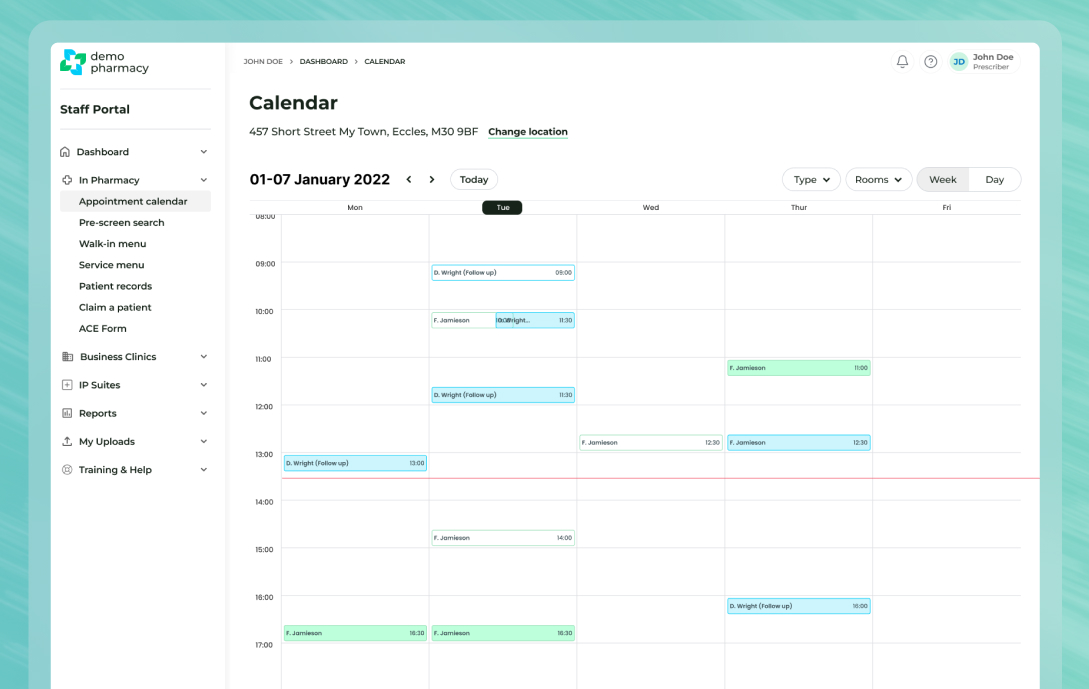
The Deltera Platform digitalises your private pharmacy services, providing the complete pharmacy software package to offer a full range of Patient Group Directions (PGDs). Gain the oversight and efficiency you need to thrive.

Ready to transform your pharmacy's clinical service?
Join the thousands of UK pharmacies using Deltera to grow their revenue and improve patient care.