

In the modern healthcare economy, data is the most valuable asset a pharmacy possesses. Every consultation, every vaccination record, and every patient history entry represents the hard work of your clinical team and the trust of your community.
However, as pharmacies adopt more digital tools, a critical question arises: Who actually owns that data?
Many software providers operate on a "walled garden" model—making it easy to put data in, but nearly impossible to get it out. This isn't just a technical frustration; it’s a risk to your business’s independence. At Deltera, we believe in Data Sovereignty, ensuring that your pharmacy remains the master of its own clinical information.
1. Data Controller vs. Data Processor: Know the Difference
From a legal and regulatory standpoint, the distinction between who "holds" the data and who "owns" it is vital. In many software contracts, the lines are blurred, leaving the pharmacy in a vulnerable position.
The Deltera Standard: Our framework is built on absolute clarity. In our contractual agreements, the Pharmacy is always the Data Controller and the Data Owner. Deltera acts strictly as the Data Processor. This means you retain full legal authority over your patient records. You aren't just "renting" a space for your records; you are using a tool to manage your own property.
2. The "Lock-In" Trap: Why Portability is Essential
A common tactic in the software industry is to make data extraction so difficult that switching providers becomes an operational nightmare. If you cannot easily move your data, you don't truly own it.
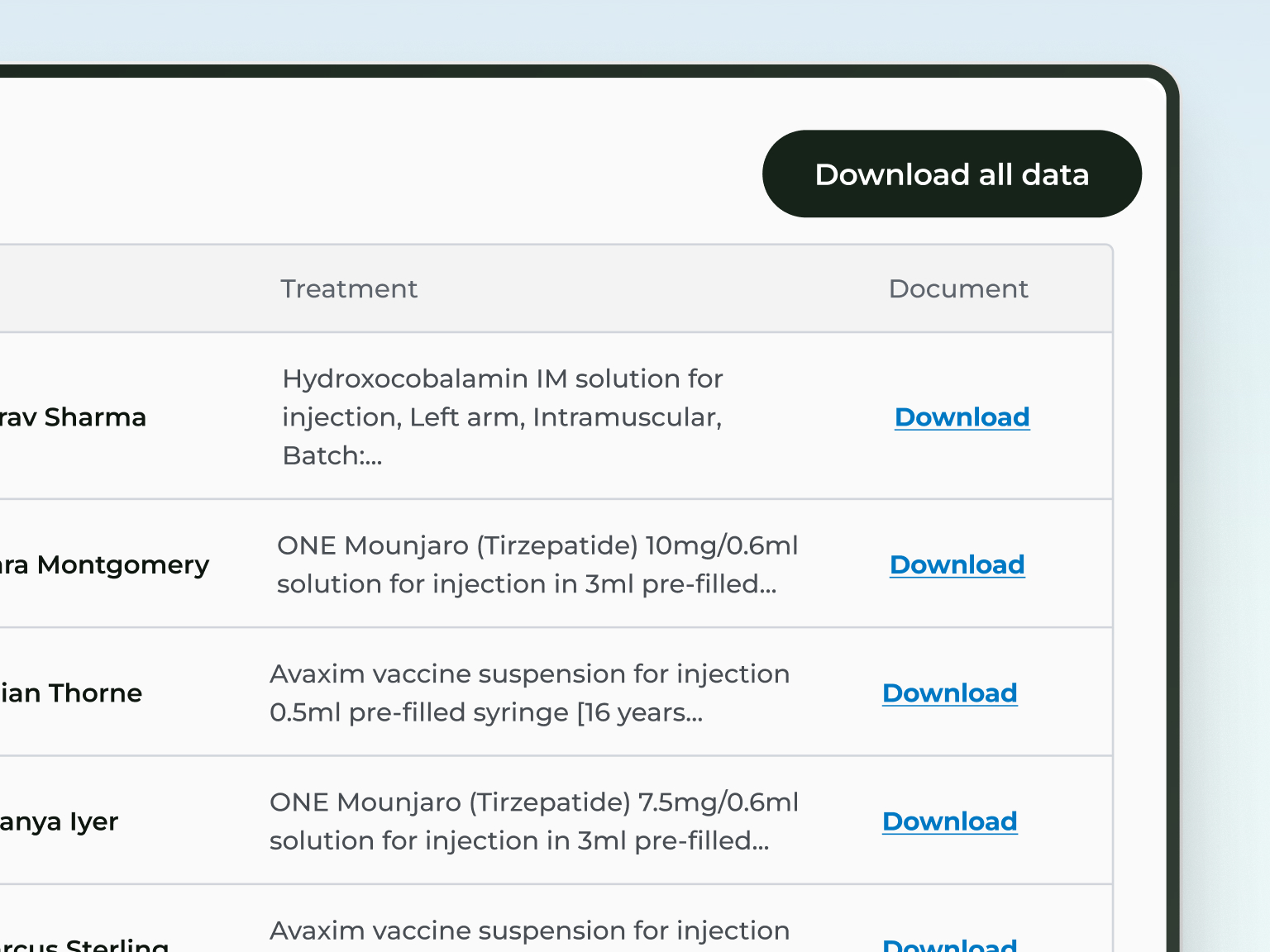
Your Data, Your Format: We believe that a pharmacy should stay with a software provider because the service is excellent, not because their data is being held hostage. With Deltera, you can download all your consultation data at any time as a CSV file.
- Business Analysis: Use your data to identify trends, such as peak times for travel vaccinations or the success rate of your weight management titration protocols.
- Freedom of Choice: If your business needs change, you have the peace of mind knowing you can take your entire clinical history with you.
3. Interoperability: Putting Your Data to Work
Data sovereignty isn't just about storage; it’s about utility. Your clinical records shouldn't live in a silo; they should work alongside the other tools you use to run your business.
We are committed to an "Open Integration" philosophy. Deltera already integrates with the Microsoft ecosystem, allowing you to bridge the gap between clinical consultations and professional productivity tools. We are constantly expanding our integration list, ensuring that as the pharmacy tech stack evolves, your data remains accessible and useful across different platforms.
4. Protecting the Value of Your Business
If you ever decide to sell your pharmacy or expand into a larger group, your clinical records are a key part of the business valuation. A pharmacy with five years of clean, portable, and well-organized clinical data is significantly more valuable than one with records trapped in an archaic or restrictive system.
By maintaining data sovereignty, you are future-proofing your business. You ensure that your clinical records remain an asset on your balance sheet, rather than a liability managed by a third party.
Independence Through Information
The shift toward clinical pharmacy in 2026 requires a shift in how we handle information. You wouldn't let a third party own the physical keys to your pharmacy—don't let them own the digital keys to your clinical records.
Choosing a partner that respects your status as a Data Controller is the first step toward building a truly independent, clinical business.
More posts





Discover the Deltera Platform
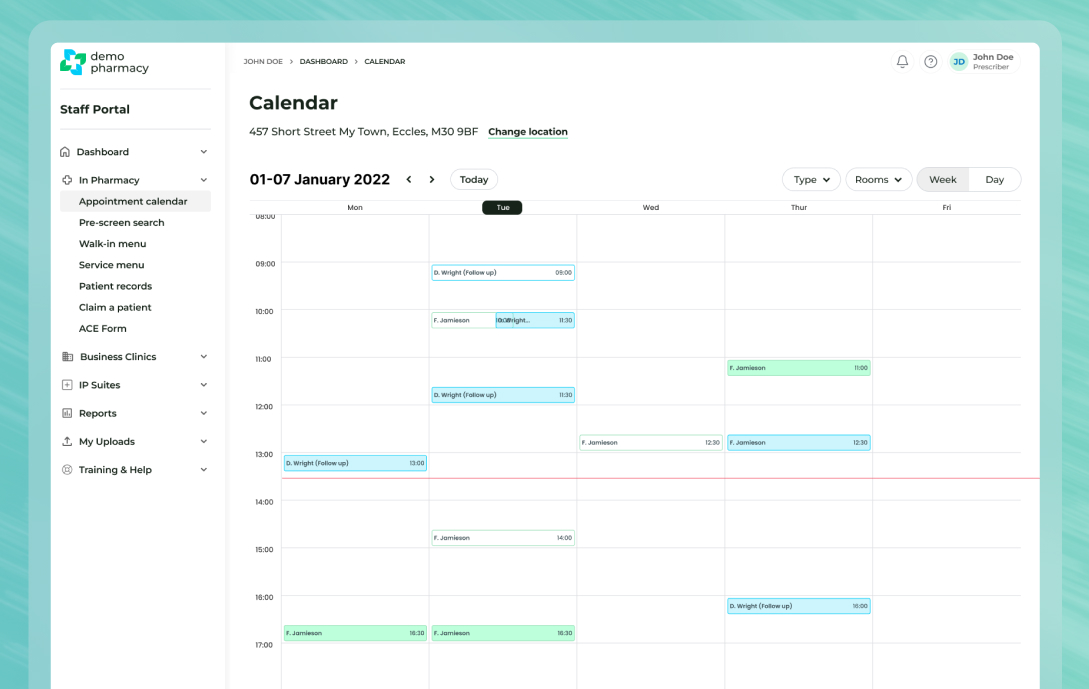
The Deltera Platform digitalises your private pharmacy services, providing the complete pharmacy software package to offer a full range of Patient Group Directions (PGDs). Gain the oversight and efficiency you need to thrive.

Ready to transform your pharmacy's clinical service?
Join the thousands of UK pharmacies using Deltera to grow their revenue and improve patient care.